
Key Signs of Transmission Problems to
Look for in a Used Car
The transmission is one of the most complex and vital components of any vehicle, responsible for transferring power from the engine to the wheels. When you are shopping for a pre-owned car, understanding the signs of transmission problems can save you from a costly and frustrating future repair. A failing transmission can be one of the most expensive issues to fix, often running into thousands of dollars. By learning to identify the subtle clues a car might be giving you, from strange noises and smells to unusual shifting behavior, you empower yourself to make a more confident and informed decision. This guide will walk you through the key indicators to watch for during your inspection and test drive, helping you distinguish a great value from a potential headache. Knowing what to look for is the first step toward finding a reliable vehicle for your needs in Winston-Salem.
Having this knowledge provides peace of mind as you explore your options. While these tips are invaluable for any car shopper, you can also browse our extensive used inventory with confidence. We are dedicated to offering quality vehicles to our community, from Greensboro to High Point. Each car on our lot undergoes a thorough inspection process because we believe in transparency and helping you find the right car, truck, or SUV for your life.
A Deeper Dive into Identifying Potential Transmission Issues
When you find a used car that catches your eye, it is easy to get excited about its features, color, and style. However, what is underneath the hood is just as important, if not more so. The health of the transmission is a critical factor in the long-term reliability and performance of any vehicle. Before you even turn the key, there are several checks you can perform that may reveal the first signs of trouble. These initial steps, combined with a vigilant test drive, will give you a much clearer picture of the car's mechanical condition.
Pre-Drive Inspection: What to Check Before You Go
Your evaluation should begin before the engine starts. These static checks can often uncover problems that might not be immediately obvious once the car is in motion. Take a few minutes to look things over carefully.
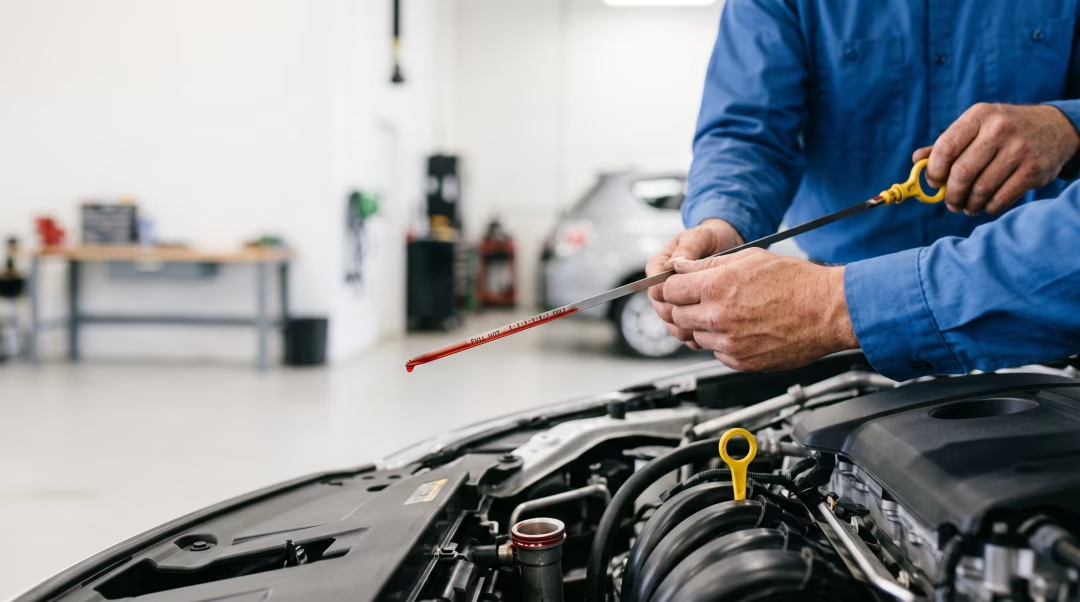
- Inspect the Transmission Fluid: This is one of the most telling indicators. With the engine warmed up and running, and the car in Park or Neutral (check the owner's manual for the specific procedure), pull the transmission dipstick. The fluid should be a bright, translucent red color. If it appears dark brown or black, or if it has a burnt toast smell, it is a major red flag indicating old fluid, internal wear, or overheating. Also, check the level. Low fluid can cause shifting problems and can indicate a leak. If you are unsure about this process, our used car service center can always help.
- Look for Leaks: Peek underneath the front and middle sections of the vehicle. Puddles or fresh drips of reddish-brown fluid are a clear sign of an active transmission fluid leak. Some staining might be old, but any sign of wetness warrants further investigation. A leak will eventually lead to low fluid levels and significant transmission damage if not addressed.
- Check Warning Lights: When you first turn the key to the "on" position without starting the engine, all the dashboard warning lights should illuminate briefly and then go out. Make sure the "Check Engine" light or any specific transmission warning symbols (like a gear icon) are functioning and do not remain lit. If a seller has disconnected the bulb to hide a problem, you will not see it light up at all. For any persistent lights, a check engine light diagnosis is essential.
During the Test Drive: Sensations and Sounds to Note
The test drive is where a transmission will truly show its character. Be sure to drive the car in a variety of conditions, including stop-and-go city traffic and at highway speeds, to allow it to go through all its gears. Turn the radio off and pay close attention to how the vehicle behaves.
Delayed or Hesitant Engagement: When you shift the car from Park into Drive or Reverse, the transition should be almost immediate, taking no more than a second or two. If you notice a significant delay before the car engages the gear and begins to move, it is often a sign of internal problems, such as worn seals or low fluid pressure.
Rough, Hard, or Erratic Shifting: A healthy automatic transmission should shift so smoothly that it is barely perceptible. If you feel a noticeable clunk, jerk, or bang as the car changes gears, it points to potential issues. This could be a simple problem, but it often indicates more serious wear on internal components like the clutch packs or solenoid issues. This is a common complaint on vehicles needing transmission repair.
Gear Slipping: This is a very serious symptom. Slipping occurs when the transmission unexpectedly changes gears or pops into neutral while you are driving. You will notice the engine RPMs suddenly spike, but the car will not accelerate or may even lose power. It is a disconcerting feeling and an unmistakable sign of a severely worn transmission that requires immediate attention.
Unusual Noises: Your ears are one of your best diagnostic tools. Listen for any whining, humming, or buzzing sounds coming from the vehicle. If these noises change in pitch or volume as the car shifts gears or as you accelerate, they are very likely related to the transmission. A whining noise that is present in some gears but not others is a classic symptom of internal wear. Grinding noises are, of course, a major cause for concern in any type of transmission.
Manual Transmission Considerations: If you are test-driving a vehicle with a manual transmission, like some of the used trucks or used compact cars we carry, there are additional checks. Pay attention to the clutch pedal. It should engage and disengage smoothly. A clutch that feels unusually stiff, spongy, or chatters can indicate a problem. Also, try to shift through all the gears. Any grinding noise or difficulty getting the shifter into a gear points toward issues with the synchronizers, shift forks, or the clutch itself.
Your Trusted Partner in Finding a Reliable Used Car
Identifying these signs can help you avoid a poor investment. While this guide is a great starting point, the best approach is to have any used car you are serious about inspected by a professional mechanic before purchase. At our used car dealership in Winston-Salem, we pride ourselves on a transparent process. We invite you to explore our inventory and schedule a test drive. We offer a variety of payment options and are ready to help you find a dependable vehicle that fits your budget and lifestyle.
What color should transmission fluid be?
Healthy automatic transmission fluid (ATF) should be a bright, translucent red. Over time, it will darken to a brownish color, which indicates it needs to be changed. If the fluid is dark brown or black and has a burnt smell, it is a sign of potential transmission damage or severe overheating and should be a major concern when inspecting a used car.
Can a transmission problem be a simple fix?
Sometimes, yes. Issues like rough shifting or hesitation can occasionally be caused by low fluid levels, a clogged filter, or a faulty sensor, which are relatively minor repairs. However, these same symptoms can also indicate serious internal damage. It is difficult to know without a proper diagnosis, which is why any symptom should be taken seriously and inspected by a qualified technician.
Is a whining noise always a sign of a bad transmission?
Not always, but it often is. Transmission-related whining noises typically change in pitch as the car accelerates and shifts gears. However, similar sounds can also come from other components like a failing power steering pump, a bad alternator, or differential gears. A mechanic can help pinpoint the exact source of the noise during an inspection.
What is the difference between engine problems and transmission problems?
It can sometimes be hard to distinguish. Generally, transmission problems manifest during shifting or when putting the car into gear. You may feel jerking, slipping, or hear noises specifically related to gear changes. Engine problems are more often related to overall power loss, rough idling, stalling, or noises that are directly tied to engine speed (RPMs) regardless of what gear you are in.
Should I buy a used car that has had its transmission replaced?
This can be a positive or a negative. If the transmission was replaced with a quality new or remanufactured unit by a reputable shop and there is documentation to prove it, it can be a huge plus, as you are getting a car with a major component that has a lot of life left. However, if it was replaced with a used unit of unknown history or the work was done poorly, it could be a liability. Documentation and a pre-purchase inspection are key.
