
Expert Check Engine Light
Diagnosis in Winston-Salem, NC
That small, amber-colored engine symbol on your dashboard can cause a big wave of anxiety. When your check engine light illuminates, it is your vehicle's way of telling you that its onboard diagnostic system has detected a problem. This could be something as simple as a loose gas cap or a warning of a more complex issue with your engine, transmission, or emissions system. Ignoring it can lead to decreased fuel efficiency, poor performance, and potentially costly repairs down the road. At our service center in Winston-Salem, we take the guesswork out of the equation. Our skilled technicians use advanced diagnostic equipment to accurately pinpoint the source of the problem. We provide a clear, understandable explanation of the issue and a transparent estimate for any necessary repairs, getting you back on the road with confidence and peace of mind. Do not let a warning light disrupt your day; let our experts provide a swift and reliable diagnosis.
Our commitment to excellence means we go beyond just reading a code. We perform a comprehensive analysis to understand the root cause of the alert. Our technicians in Winston-Salem are highly trained to service a wide variety of makes and models, ensuring that whether you drive a domestic truck or an imported SUV, you receive expert care. By choosing us for your engine diagnostics, you are entrusting your vehicle to a team dedicated to honesty, quality, and customer satisfaction.
Understanding Your Vehicle's Check Engine Light
The check engine light, officially known as the Malfunction Indicator Lamp (MIL), is a crucial part of your vehicle's On-Board Diagnostics (OBD-II) system. Since 1996, all vehicles sold in the United States have been equipped with this system, which constantly monitors the performance of your engine, transmission, and emissions components. When a sensor reports data that falls outside of the manufacturer's pre-set parameters, the system stores a Diagnostic Trouble Code (DTC) and illuminates the check engine light to alert you. While it does not specify the exact problem, it is the first and most important sign that your car needs professional attention. Visiting a trusted used car service center is the best first step.
Solid vs. Flashing: What's the Difference?
It is essential to know that not all check engine light warnings are the same. The way the light behaves can tell you about the severity of the issue.
- Solid Check Engine Light: A steady, non-blinking light indicates that the OBD-II system has detected a fault. While the issue is not an immediate emergency, you should not ignore it. It could be impacting your fuel economy or emissions. You should schedule a service appointment as soon as it is convenient to have the code read and the problem diagnosed.
- Flashing Check Engine Light: A blinking or flashing light signals a much more serious problem, typically a severe engine misfire. An engine misfire means unburned fuel is being dumped into the exhaust system, which can rapidly overheat and destroy the catalytic converter, a very expensive component. If your light is flashing, you should reduce your speed, avoid heavy acceleration, and get your vehicle to a qualified mechanic immediately. In some cases, it is safest to pull over and have the vehicle towed to prevent catastrophic engine damage.
Common Reasons Your Check Engine Light Is On
The check engine light can be triggered by hundreds of different trouble codes. While a professional diagnosis is the only way to be certain, here are some of the most frequent culprits our technicians see from drivers around the Piedmont Triad.
- Loose or Faulty Gas Cap: This is the simplest fix. A gas cap that is not tightened properly or has a cracked seal can cause a small leak in the fuel vapor system, triggering the light.
- Failing Oxygen (O2) Sensor: This sensor measures the amount of unburned oxygen in your exhaust system. A bad sensor cannot provide the right data to the engine's computer, leading to decreased fuel economy and increased emissions.
- Worn Spark Plugs or Ignition Coils: Spark plugs ignite the air/fuel mixture in the combustion chamber. If they are worn or the ignition coils that power them fail, it can cause an engine misfire, poor performance, and reduced fuel efficiency.
- Mass Airflow (MAF) Sensor Failure: The MAF sensor tells the car's computer how much air is entering the engine. This is critical for determining how much fuel to inject. A faulty sensor can cause stalling, rough idling, and poor acceleration.
- Catalytic Converter Issues: This vital emissions component converts harmful carbon monoxide into less harmful emissions. It can fail due to age or because of other underlying issues, like a bad O2 sensor or spark plugs that are left unaddressed. This is often an expensive repair, highlighting the importance of timely diagnosis.
- Vacuum Leaks: The vacuum system powers several components and must be completely sealed. Hoses can crack and degrade over time, causing leaks that disrupt the air/fuel mixture and trigger the light.
Our Comprehensive Diagnostic Process
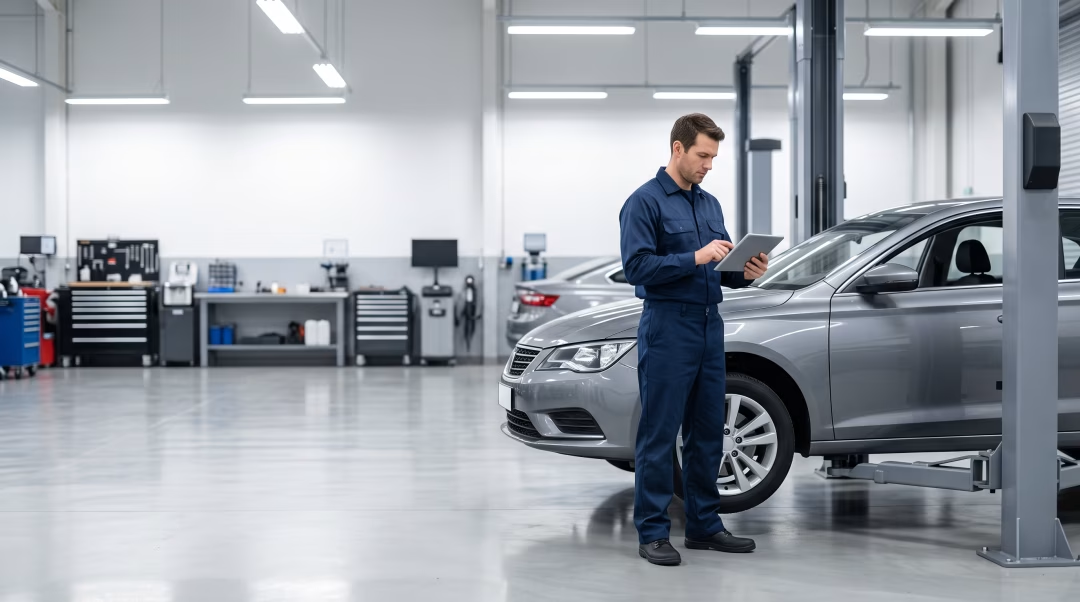
When you bring your vehicle to our auto repair shop in Winston-Salem, you can expect a thorough and professional diagnostic process. We do not just plug in a scanner and replace a part. We follow a systematic approach to ensure we fix the problem correctly the first time.
First, our technician connects a professional-grade OBD-II scanner to your vehicle's diagnostic port. This tool communicates with your car's computer to retrieve the specific Diagnostic Trouble Code(s) that triggered the light, along with important "freeze frame" data that shows the vehicle's operating conditions at the moment the fault occurred.
Next, the technician uses their expertise and access to manufacturer-specific repair databases to interpret the code. A single code can have multiple potential causes, so this step is critical. They will then perform a detailed visual inspection of the related systems, looking for obvious issues like cracked hoses, loose wires, or fluid leaks. Depending on the code, further tests may be required, such as smoke tests for vacuum leaks, pressure tests for the fuel system, or electrical tests for sensors and wiring. Once the exact cause is confirmed, we will contact you with a clear explanation of the problem and a detailed estimate for the repair. We never proceed with any work until you understand the issue and approve the service.
Your Trusted Service Partner in Winston-Salem and Beyond
For drivers in Winston-Salem and surrounding communities like Kernersville, Clemmons, and High Point, our service center is the premier destination for reliable automotive care. We understand that dealing with car trouble is stressful, which is why we prioritize clear communication, transparent pricing, and quality workmanship. Whether you need a simple diagnosis or a complex engine repair, our team is here to help. If the repair costs are more than you want to invest in your current vehicle, you can always explore our extensive used inventory or find out your car's value with our Value My Trade tool.
Check Engine Light Frequently Asked Questions
Can I continue to drive my car with the check engine light on?
If the light is solid and the car seems to be driving normally, you can typically continue driving, but you should schedule a diagnosis soon. If the light is flashing or you notice significant performance issues like rough idling, loss of power, or strange noises, you should pull over as soon as it is safe and call for assistance to avoid severe damage.
How much does check engine light diagnostic service cost?
The cost for a diagnostic service can vary. Most shops charge a set fee to cover the technician's time and the use of specialized equipment to accurately read the codes and inspect the related systems. This initial diagnostic fee identifies the problem, and we will always provide a full estimate for the actual repair before any work begins.
Will a cheap code reader from an auto parts store fix the problem?
No. A basic code reader can tell you the DTC, but it does not diagnose the underlying cause. For example, a code might point to an oxygen sensor, but the actual problem could be a vacuum leak causing the sensor to read incorrectly. Simply clearing the code or replacing the part without a proper diagnosis often leads to the light coming back on and wasted money.
Can a weak or failing battery cause the check engine light to come on?
Yes, it is possible. A failing battery can cause low voltage issues throughout your vehicle's electrical system, which can trigger various warning lights, including the check engine light. If your battery is old or you have had trouble starting the car, it is worth getting it tested as part of the diagnostic process.
Does my check engine light have to be off to pass the North Carolina vehicle inspection?
Yes. In Forsyth County and other emissions-testing counties in North Carolina, an illuminated check engine light will cause your vehicle to automatically fail the emissions portion of the annual state inspection. The issue must be diagnosed and repaired before the vehicle can be re-inspected and pass.
