

How North Carolina Summer
Heat Affects Your Car
The warm, sunny days of a North Carolina summer are perfect for road trips and scenic drives, but the relentless heat and humidity can take a serious toll on your vehicle. From the battery under the hood to the tires on the pavement, every component is put under additional stress when temperatures soar. The intense UV rays can damage your paint and interior, while the high ambient heat forces your engine's cooling system and air conditioning to work overtime. Understanding how this seasonal stress affects your car is the first step toward preventing costly repairs and ensuring your vehicle remains reliable all summer long. This guide will walk you through the most common heat-related issues and provide actionable tips to keep your car in top condition. Whether you are driving through Winston-Salem or exploring the Piedmont Triad, a little preventative care goes a long way.
Protecting your vehicle from the summer elements not only preserves its performance and appearance but also safeguards its long-term value. A well-maintained car is more reliable and will command a better price when it is time to trade it in. Our team is dedicated to helping you keep your car, truck, or SUV in peak condition. If you notice any signs of heat-related trouble or simply want a professional inspection, do not hesitate to schedule service with our expert technicians today.
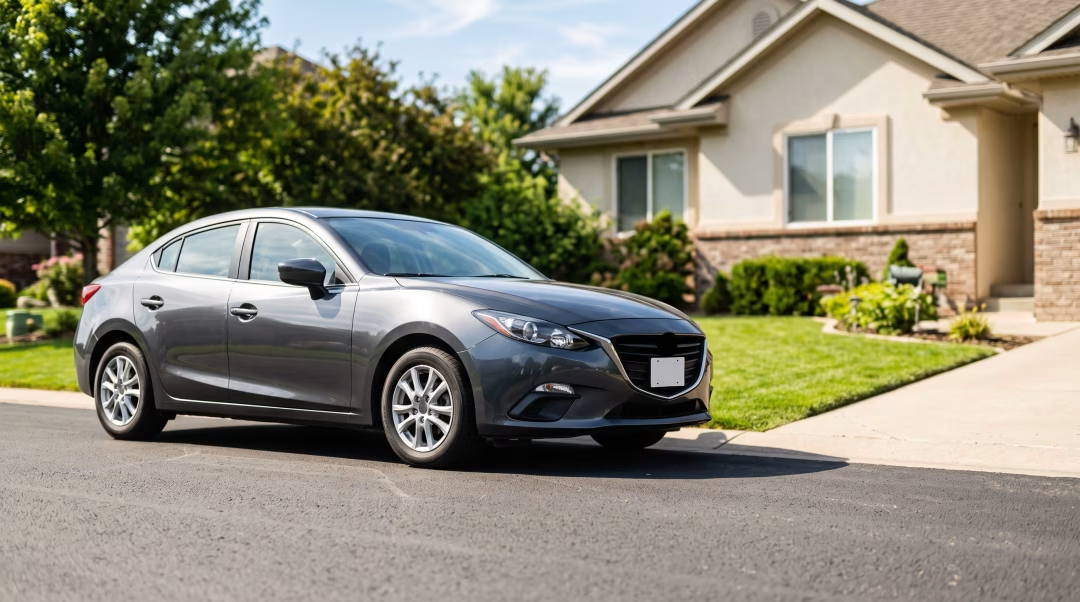
A Deep Dive into Summer's Impact on Your Vehicle
North Carolina's summer is characterized by more than just high temperatures; it is a combination of intense, direct sunlight, soaring humidity, and pavement that can reach extreme temperatures. This trifecta creates a harsh environment for any vehicle, accelerating wear and tear on critical systems. While we often associate car trouble with cold winter weather, the summer heat can be just as, if not more, damaging. Let's break down the specific ways the heat affects your car and what you can do about it.
Your Car Battery's Biggest Enemy
Most drivers believe that cold weather is what drains a car battery, but high heat is actually the more significant threat. The sweltering temperatures under your hood can accelerate the chemical reactions inside a lead-acid battery, causing the internal fluid to evaporate more quickly. This process can lead to internal damage and sulfation, permanently reducing the battery's ability to hold a charge. The average lifespan of a car battery in a hot climate like North Carolina can be significantly shorter than in cooler regions. If your car is slow to start or you notice corrosion on the terminals, it is a clear sign that the heat might be taking its toll. It is a good idea to have your battery tested before the peak of summer to avoid being stranded. If you need a replacement, our car battery replacement service can help you find the right fit for your vehicle.
The Pressure is on Your Tires
The air inside your tires expands as it heats up. For every 10-degree increase in ambient temperature, your tire pressure can increase by about one pound per square inch (PSI). Driving on hot asphalt further increases this effect. Overinflated tires have a smaller contact patch with the road, which can reduce traction and lead to uneven tread wear. More critically, it increases the risk of a blowout, especially on older or worn tires. The sun's UV rays also degrade the rubber itself, causing it to become brittle and prone to cracking over time. Regularly checking your tire pressure when the tires are cool is one of the most important safety checks you can perform during the summer. You can find the manufacturer's recommended PSI on a sticker inside the driver's side doorjamb. Maintaining proper inflation helps with safety, fuel efficiency, and tire longevity. If your TPMS light comes on, our team can help with TPMS service to diagnose the issue.
Keeping Your Engine and AC System Cool
Your engine generates a tremendous amount of heat on its own, and the cooling system is designed to keep it within a safe operating range. When outside temperatures are high, the system has to work much harder. Old or low coolant can lead to overheating, which is one of the leading causes of roadside breakdowns during the summer. An overheating engine can cause severe and expensive damage, including warped cylinder heads and blown gaskets. Similarly, your air conditioning system is under immense strain. It has to cool a cabin that can reach over 140 degrees. This can stress the AC compressor, belts, and hoses. If your AC is not blowing as cold as it used to, it could be a sign of a refrigerant leak or a failing component. A quick visit for car AC repair can make your summer drives much more comfortable and prevent a small issue from becoming a major one.
Vital Fluids Under Stress
Heat does not just affect your coolant; it impacts all the essential fluids in your vehicle. Motor oil, transmission fluid, power steering fluid, and brake fluid all have optimal temperature ranges. Excessive heat can cause these fluids to thin out and lose their lubricating and hydraulic properties. This thermal breakdown reduces their effectiveness, increasing friction and wear on internal components. For example, old transmission fluid can lead to shifting problems and eventual transmission failure. It is crucial to follow your vehicle's maintenance schedule for fluid changes. Our technicians can perform a comprehensive fluid inspection and service to ensure all your vehicle's vital fluids are clean and at the proper levels.
Protecting Your Car's Interior and Exterior
The sun's powerful ultraviolet rays are relentless, and they can cause significant cosmetic damage to your car. The clear coat on your paint can begin to oxidize and fail, leading to a dull, faded appearance. Plastic trim can become brittle and discolored. Inside the car, the dashboard can crack, and upholstery, whether cloth or leather, can fade and deteriorate. Parking in a garage or using a car cover are the best defenses. If that is not an option, try to park in the shade whenever possible. Using a reflective sunshade for your windshield can dramatically lower the interior temperature and protect your dashboard. Regularly washing and applying a quality wax can provide a protective barrier against UV damage for your paint.
Your Summer Car Care Checklist
Staying ahead of summer's challenges is easy with a little proactive maintenance. Here are some essential steps to prepare your car for the North Carolina heat:
- Inspect Your Battery: Clean any corrosion from the terminals and have the battery's health tested by a professional.
- Check Tire Pressure: Check the PSI weekly when tires are cool and adjust as needed. Inspect for cracks and wear.
- Test the Air Conditioning: Run your AC to make sure it's blowing cold. If not, schedule a check-up before the heat becomes unbearable.
- Examine Hoses and Belts: Look for any signs of cracking, fraying, or bulging, as heat can cause these rubber components to fail.
- Top Off Fluids: Check your oil, coolant, and windshield washer fluid levels regularly.
- Replace Wiper Blades: Summer thunderstorms can appear suddenly. Old blades will smear rather than clear your windshield.
- Wash and Wax Your Vehicle: Provide a protective layer against the sun's harsh UV rays to protect your paint.
By taking these steps, you can enjoy a worry-free driving season. If you are looking for a vehicle that is ready to handle the heat, explore our wide selection of quality used inventory. We have everything from efficient used sedans to family-friendly used third-row SUVs that have been thoroughly inspected by our team.
How often should I check my tire pressure in the summer?
It is a great practice to check your tire pressure at least once every two weeks during the hot summer months, and always before a long road trip. Temperature fluctuations can cause significant changes in PSI. Always check the pressure when the tires are cold, meaning the car has not been driven for at least three hours, for the most accurate reading.
Can North Carolina heat really cause my car battery to fail?
Absolutely. High temperatures accelerate the rate of fluid evaporation and internal corrosion within a standard car battery. This process shortens its effective lifespan. A battery that might last five years in a cooler climate may only last two to three years in the consistent heat of a North Carolina summer. Having it tested annually is a smart preventative measure.
Is it bad to run my car's AC on full blast all the time?
While running your AC on full blast puts more strain on the system, it is designed to handle it. However, to reduce the initial load, you can start by opening the windows for a minute to let hot air escape. Using the "recirculation" mode once the cabin starts to cool will also make the system work more efficiently, as it will be cooling the already-chilled air inside rather than pulling in hot outside air.
What are the first signs of my car overheating?
The most obvious sign is your vehicle's temperature gauge climbing into the red zone. You might also notice a strange, sweet smell, which could be leaking coolant. Steam or smoke coming from under the hood is a critical sign. If you see any of these indicators, pull over to a safe location as soon as possible, turn off the engine, and call for assistance. Do not attempt to open the radiator cap when the engine is hot.
How can I protect my car's interior from sun damage?
The best method is to limit direct sun exposure by parking in a garage or shaded area. A quality, reflective windshield sunshade is highly effective at blocking UV rays and keeping the cabin temperature down. You can also apply UV protectant sprays specifically designed for dashboards, leather, and vinyl to help prevent cracking and fading. Window tinting is another excellent option for reducing heat and UV exposure.
