
Expert Fluid Inspection and
Service in Winston-Salem, NC
Your vehicle relies on a complex system of specialized fluids to operate safely and efficiently. From the engine oil that lubricates moving parts to the brake fluid that provides stopping power, these liquids are the lifeblood of your car, truck, or SUV. Over time, fluids degrade, lose their protective properties, and become contaminated with debris. Neglecting them can lead to poor performance, reduced fuel economy, and potentially catastrophic component failure. At our service center in Winston-Salem, NC, we provide comprehensive fluid inspection and replacement services to keep your vehicle running at its best. Our experienced technicians understand the specific needs of your vehicle and use high-quality products to protect your investment. Regular fluid maintenance is one of the most effective and affordable ways to extend the life of your vehicle and avoid unexpected, costly repairs down the road.
Choosing professional fluid service means gaining peace of mind on every drive. Whether you are commuting through Forsyth County or planning a road trip through the Blue Ridge Mountains, you can drive with confidence knowing your vehicle’s most critical systems are properly maintained. Our team not only performs the necessary services but also helps you understand your vehicle’s maintenance schedule. Do not wait for a warning light to appear. Proactive care is key. Schedule your appointment today for a thorough fluid inspection in Winston-Salem.
The Unseen Heroes: A Deep Dive into Your Vehicle's Essential Fluids
Many drivers focus on things they can see and feel, like tires and brakes, but the fluids circulating within your vehicle's engine, transmission, and other systems are just as critical. Each fluid has a unique job, and maintaining them at the correct levels and quality is fundamental to your vehicle's health and longevity. Understanding what these fluids do and the signs of potential issues can empower you to take better care of your car and recognize when it is time to visit the professionals. Our team serves drivers from all over the Piedmont Triad, including Kernersville, High Point, and Greensboro.
Engine Oil
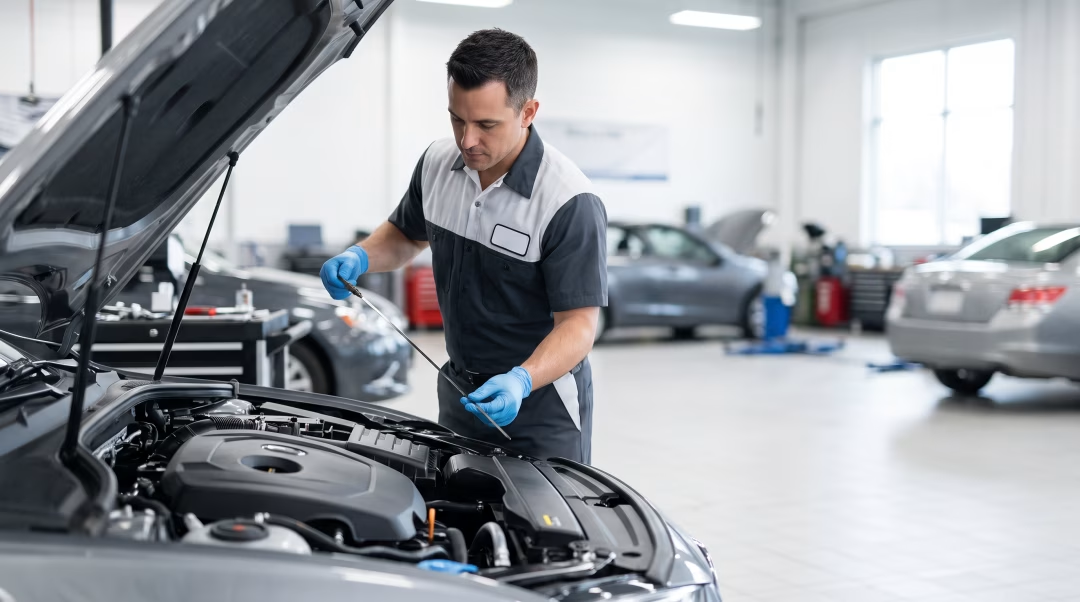
Engine oil is arguably the most well-known fluid in any vehicle. Its primary function is to lubricate the hundreds of moving metal parts inside your engine, reducing friction and preventing wear. It also plays a vital role in cleaning the engine by carrying away tiny particles of metal and carbon, cooling engine components, and preventing corrosion. When you check your oil, it should ideally be a translucent, amber color. Over time, it will darken as it collects contaminants, which is normal. However, if the oil on the dipstick is milky, it could indicate a coolant leak, while gritty or thick black oil is long overdue for a change. Following a regular oil change schedule is the single most important piece of preventive maintenance you can perform.
Transmission Fluid
Whether you drive an automatic or manual transmission vehicle, this fluid is essential. In an automatic transmission, it acts as a hydraulic fluid, a coolant, and a lubricant. It allows for smooth gear shifts and prevents the intricate components of the transmission from overheating and wearing out. Healthy automatic transmission fluid (ATF) is typically bright red and has a slightly sweet smell. If you notice it is dark brown or black and has a burnt toast odor, it is a sign that the fluid has broken down and needs to be replaced immediately to prevent serious damage. Forgetting this service can lead to slipping gears, rough shifts, and eventually, a full transmission rebuild or replacement, which is one of the most expensive automotive repairs.
Brake Fluid
Your vehicle's braking system is a hydraulic system, meaning it uses fluid pressure to operate. When you press the brake pedal, brake fluid transmits that force to the brake calipers, which then clamp down on the rotors to slow your vehicle. This fluid is hygroscopic, which means it absorbs moisture from the air over time. Water contamination lowers the fluid's boiling point, which can lead to a soft or spongy brake pedal, especially during heavy braking. It also causes internal corrosion of brake lines and components. Fresh brake fluid is clear to light amber in color. If it appears dark and murky, it is time for a brake fluid flush. This is a critical safety service that should never be ignored. If you have any concerns, schedule a brake inspection with our team.
Coolant / Antifreeze
The engine coolant, or antifreeze, circulates through the engine and radiator to absorb excess heat and maintain the optimal operating temperature. It is also formulated to prevent the engine block from freezing and cracking in cold North Carolina winters. Modern coolants contain additives that prevent rust and corrosion within the cooling system. Over time, these additives deplete, and the fluid can become acidic, potentially damaging the radiator, water pump, and hoses. The color of coolant can vary (often green, orange, or pink), but if you notice it is rusty, cloudy, or has particles floating in it, it is time for a cooling system service. Overheating is a primary cause of major engine damage, making coolant maintenance essential.
Power Steering Fluid
If your vehicle has a hydraulic power steering system, this fluid makes it easy to turn the steering wheel. It is pressurized by a pump to assist in turning the wheels. Low or old power steering fluid can cause a whining or groaning noise when you turn, and it can make steering feel stiff and difficult. Checking this fluid often involves looking at a reservoir in the engine bay. If the level is low, it could indicate a leak in the system that needs to be addressed. Regular checks can help you catch problems early and maintain smooth, effortless steering.
Differential and Transfer Case Fluid
For rear-wheel drive, four-wheel drive, and all-wheel drive vehicles, like many of the 4x4 trucks and AWD SUVs we sell, these fluids are critical. The differential allows your wheels to spin at different speeds when turning, and the transfer case directs power to the front and rear axles. Both contain heavy-duty gear oil that lubricates and cools these hardworking components. These fluids are often overlooked but are vital for preventing expensive driveline damage. Service intervals vary widely by vehicle, so it is important to consult your owner's manual or speak with one of our service advisors.
Frequently Asked Questions About Fluid Service
How often should I have my vehicle's fluids checked?
It is a great practice to check key fluids like engine oil and windshield washer fluid monthly. For a comprehensive inspection of all fluids, including brake, transmission, and coolant, we recommend having a professional technician check them during every oil change, or at least twice a year. This allows us to spot potential issues like leaks or contamination before they become major problems.
Can I use any type of fluid in my car?
No, this is very important. Vehicles require specific types of oil, transmission fluid, coolant, and brake fluid. Using the wrong type can lead to poor performance and severe damage to your vehicle’s components. Always refer to your owner’s manual or consult with our service experts to be certain you are using the correct fluid for your specific make and model.
What does a "fluid flush" mean?
A fluid flush is a service that involves removing nearly all of the old, contaminated fluid from a system (like the brakes, transmission, or cooling system) and replacing it with new, clean fluid. This is more thorough than simply draining and refilling, as it helps to clean out build-up and contaminants from the entire system, restoring its performance and extending its life.
My transmission fluid is dark. Do I need to panic?
While dark transmission fluid is a sign that it needs to be changed, you do not need to panic if the transmission is still shifting smoothly. It is an indication that the fluid's detergents and additives are breaking down. However, if you also notice a burnt smell, delayed shifting, or slipping gears, you should schedule service immediately to prevent further damage.
Is a coolant flush really necessary in a mild climate like Winston-Salem?
Absolutely. While we do not experience extreme arctic temperatures, North Carolina summers can be very hot and humid, putting a significant strain on your cooling system. A coolant flush is about more than just freeze protection; it is about heat protection and corrosion prevention. Old coolant loses its ability to transfer heat effectively and its anti-corrosion properties wear out, which can lead to overheating and expensive damage to your engine and radiator.
Helpful Links
- View Our Full List of Automotive Services
- Explore Our Current Used Inventory
- Schedule Your Next Service Appointment Online
- Have Questions? Contact Our Team Today
