
When To Replace Brake
Pads On A Used Car
Your vehicle's braking system is its most important safety feature, and this is especially true when you are behind the wheel of a used car. While every vehicle in our used inventory is carefully inspected for safety and reliability, understanding the health of your brake pads is a crucial part of responsible ownership. Brake pads are designed to wear down over time, and knowing when to replace them is key to keeping you, your passengers, and others on the road safe. Recognizing the warning signs early not only prevents a potential emergency but also helps you avoid more extensive and costly damage to other components of your braking system, like the rotors and calipers. This guide will empower you with the knowledge to identify these signs, ensuring your pre-owned vehicle continues to provide dependable stopping power for every journey around Winston Salem and beyond.
Having confidence in your used car’s ability to stop quickly and safely provides invaluable peace of mind. Your brakes communicate with you through distinct sounds and feelings, and learning to interpret these signals is a skill every driver should have. In the detailed sections below, we will explore the seven most common indicators that your brake pads are nearing the end of their service life. By becoming familiar with these symptoms, you can take a proactive approach to your vehicle’s upkeep and schedule a service before a minor issue becomes a major problem.
A Comprehensive Guide to Used Car Brake Pad Health
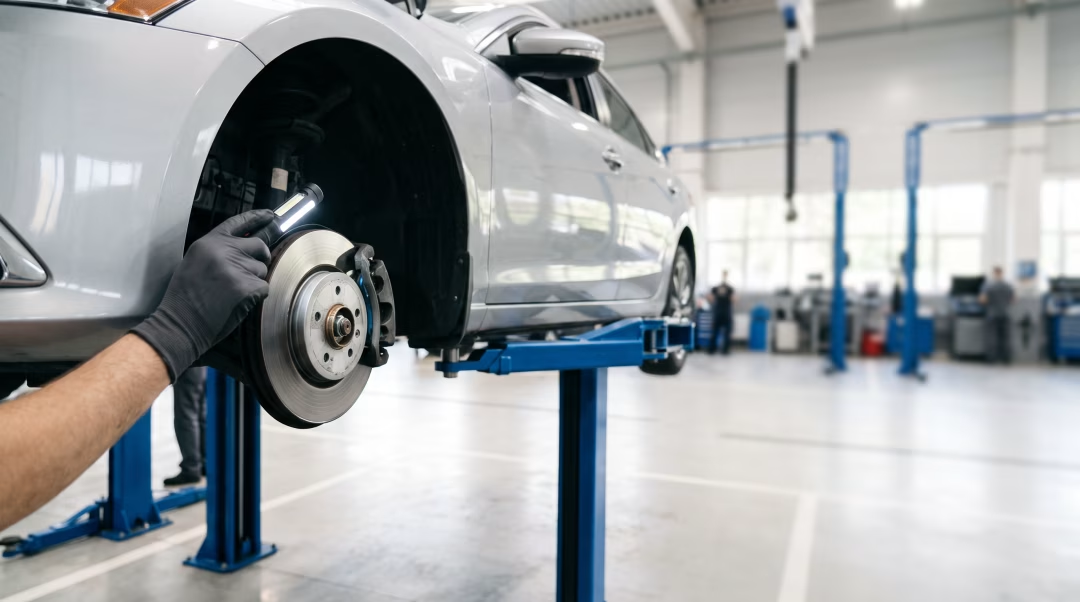
A vehicle's brake system might seem complex, but the core concept is simple. When you press the brake pedal, you activate a hydraulic system that pushes a caliper to clamp down on the wheel's rotor. Between the caliper and the rotor are the brake pads, which are made of a high-friction material. This friction is what slows and stops your car. Over thousands of miles, this friction material wears away. While the lifespan of brake pads varies greatly, it is essential to know what to look for, listen for, and feel for so you can address the issue promptly.
7 Key Signs It's Time for New Brake Pads
Your car will almost always give you clear warnings before the brakes fail completely. Paying attention to these signs is the best way to maintain your vehicle's safety. Here are the most common indicators that your brake pads require immediate attention:
- High-Pitched Squealing or Screeching
- A Deep, Grinding Noise
- Vibration or Pulsating in the Brake Pedal
- Longer Stopping Distances
- Illuminated Brake Warning Light
- Visibly Thin Brake Pads
- Vehicle Pulls to One Side During Braking
One of the most common and earliest signs is a sharp, high-pitched squeal when you apply the brakes. Most brake pads are manufactured with a small metal tab called a wear indicator. When the friction material wears down to a certain level, this metal tab makes contact with the rotor, creating that unmistakable sound. It is a built-in alert system telling you it is time to schedule a brake inspection.
If you hear a deep, metallic grinding or growling sound, it is a sign of a more severe problem. This noise typically means the brake pad material has completely worn away, and the metal backing plate of the pad is now grinding against the metal rotor. This not only significantly reduces your stopping power but also causes serious damage to the rotors, making for a much more expensive repair. If you hear this sound, you should seek brake repair immediately.
Do you feel a shaking or pulsating sensation through the brake pedal when you press it? This is often a symptom of warped brake rotors. Rotors can become warped from the intense heat generated during heavy braking. When the surface is no longer perfectly flat, the brake pads will grab unevenly, creating that vibrating feeling. While the issue is with the rotors, it is often caused by or happens in conjunction with worn pads.
If you notice your car is taking longer to come to a complete stop than it used to, or if the brake pedal feels "spongy" and goes down further than normal, your brake pads may be worn out. This condition, known as brake fade, occurs when the pads and fluid overheat or the pad material is too thin to create effective friction. This is a serious safety concern that requires professional diagnosis.
Modern vehicles are equipped with dashboard warning lights to alert you to potential issues. If a light with a brake symbol or the letters "BRAKE" or "ABS" illuminates, it is a clear signal to have your system checked. It could indicate low brake fluid, a problem with the anti-lock braking system, or that the brake pads have worn past a certain sensor.
You can often perform a quick visual check yourself. Look through the spokes of your wheels at the brake caliper that houses the pads. You should see the brake pad pressed against the metal rotor. If the pad material appears to be less than a quarter of an inch (about 4 millimeters) thick, it is time to have them inspected and likely replaced.
When you apply the brakes, your vehicle should stop in a straight line. If it consistently pulls to the left or right, it could mean the brake pads are wearing unevenly from one side to the other. This is often caused by a stuck brake caliper, which needs to be serviced along with the pads to resolve the issue.
Factors That Influence Brake Pad Wear
Not all brake pads wear out at the same rate. Several factors contribute to their lifespan:
- Driving Habits: Aggressive driving with hard stops wears out pads much faster than smooth, gradual braking.
- Environment: Stop-and-go city traffic in areas like Greensboro or High Point is much harder on brakes than consistent highway driving.
- Vehicle Type: Heavier vehicles, such as our popular used trucks and used third-row SUVs, require more force to stop, leading to faster brake pad wear compared to a compact sedan.
- Material Composition: Brake pads come in different materials like organic, ceramic, and semi-metallic, each with different performance and wear characteristics.
Our Commitment to Your Safety
When you browse our selection of affordable used cars, you can shop with confidence. Each vehicle undergoes a rigorous inspection process at our used car service center, where our technicians carefully examine critical components, including the entire braking system. We check pad life, rotor condition, and brake fluid levels to help you start your ownership experience on the right foot. We believe that an informed customer is a safe and happy customer, which is why we provide this information to help you long after you drive off our lot.
How long do brake pads typically last on a used car?
The lifespan of brake pads can vary widely, typically ranging from 25,000 to 70,000 miles. This depends heavily on the previous owner's driving habits, the type of vehicle, and the quality of the brake pads installed. During our pre-sale inspection, we assess the current condition to give you a better idea of their remaining life.
Can I just replace the brake pads and not the rotors?
In many cases, yes. If the rotors are still in good condition (not warped, grooved, or too thin), they can often be "resurfaced" or reused with new pads. However, if you have experienced vibrations or waited until the pads were grinding, the rotors will likely need to be replaced as well for safe and effective braking.
What is the difference between ceramic and semi-metallic brake pads?
Semi-metallic pads are excellent at dissipating heat and are very durable, making them a good choice for heavier vehicles or performance driving. Ceramic pads are known for being quieter, producing less dust that makes wheels dirty, and providing very smooth stopping power, making them a popular choice for daily drivers and luxury cars.
Is it safe to drive if my brakes are squealing?
A squealing sound is an early warning, meaning you should not ignore it. While the car is likely still safe to drive for a short period, the sound indicates the pads are getting low. It is best to schedule a service appointment soon to have them inspected and replaced before the squeal turns into a more damaging grinding noise.
How can I tell if a used car I want to buy will need brakes soon?
Besides listening for noise and feeling for vibrations during a test drive, you can ask for the vehicle's service history. At our dealership, we perform a multi-point inspection on every vehicle we sell, and we are transparent about the condition of wearable components like brake pads and tires, giving you confidence in your purchase.
