
Preparing Your Used Car
for Piedmont Winter Weather
Winter in the North Carolina Piedmont brings a unique set of challenges for drivers. While we may not see the heavy snowfalls of northern states, our region is known for sudden temperature drops, freezing rain, and the treacherous black ice that can make roads slick and unpredictable. Preparing your used car for this weather is not just about convenience; it is a critical step for your safety and the longevity of your vehicle. A proactive approach to winter maintenance helps your car perform reliably when you need it most, preventing you from being stranded on a cold day. From tires and batteries to fluids and wipers, a thorough checkup ensures your vehicle is ready to handle whatever a Piedmont winter throws its way. Taking these steps now provides peace of mind for the colder months ahead and protects your automotive investment.
Whether you are navigating the streets of Winston-Salem or traveling through the surrounding Triad, a well-prepared vehicle is your best partner for safe winter driving. Our commitment to our customers extends beyond the sale. We want you to feel confident and secure in your vehicle all year long. If you have questions about winter maintenance or need professional assistance, our dedicated service team is here to help. Explore our blog for more helpful tips or contact us to learn more about our services.
Your Comprehensive Guide to Winterizing a Used Car in North Carolina
Ensuring your used car, truck, or SUV is prepared for the colder months is one of the most important aspects of vehicle ownership in the Piedmont. The fluctuating temperatures and potential for icy conditions demand a vehicle that is in top mechanical shape. This guide will walk you through the essential checks and services that will keep your vehicle running smoothly and safely from the first frost to the spring thaw. Whether you do it yourself or schedule a service appointment with our expert technicians, this checklist is your roadmap to a worry-free winter on the road.
The Essential Winter Preparation Checklist
Before the temperature consistently drops, it is wise to perform a comprehensive inspection of your vehicle's key systems. Cold weather can expose and worsen existing issues that might have gone unnoticed during warmer months. Here is what to focus on:
- Tire Inspection and Pressure Check
- Battery and Charging System Test
- Coolant and Antifreeze Levels and Protection
- Windshield Wiper and Fluid System Check
- Brake System Inspection
- Heater and Defroster Functionality Test
- Inspection of All Exterior Lights
- Assembling a Winter Emergency Kit
Tires: Your Connection to Icy Roads
Your tires are the only part of your vehicle that touches the road, making their condition paramount for winter safety. Cold temperatures cause the air inside your tires to contract, leading to a drop in pressure. For every 10-degree drop in ambient temperature, tire pressure can decrease by about 1 PSI (pound per square inch). Underinflated tires wear out unevenly and reduce traction and fuel efficiency. Check your tire pressure at least once a month, always when the tires are cold for an accurate reading. The correct pressure is listed on the sticker inside your driver's side door jamb.
Tread depth is equally important for gripping wet or icy surfaces. The channels in your tire's tread are designed to whisk water away, and if they are too shallow, your risk of hydroplaning increases. Use the classic penny test: insert a penny into the tread with Lincoln's head upside down. If you can see the top of his head, your tread is likely worn below the safe limit of 2/32 of an inch, and it is time for new tires. For drivers in Winston-Salem and nearby communities like Clemmons or Kernersville who want maximum traction, considering a vehicle from our inventory of used AWD SUVs or used 4x4 trucks can provide extra confidence on slick roads.
Battery Power and Electrical Health
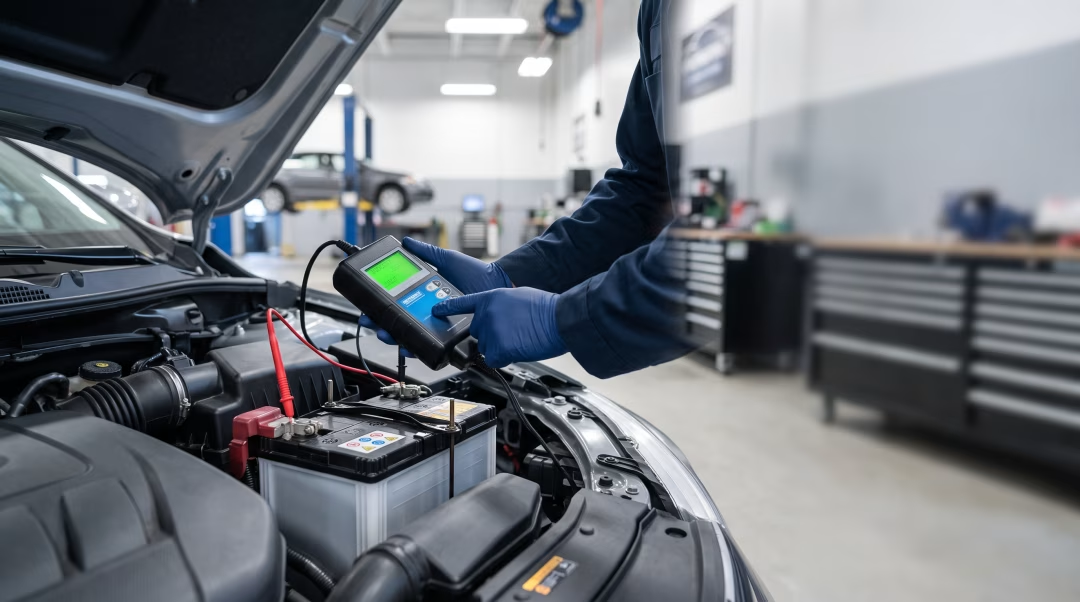
A car battery loses a significant amount of its starting power in cold weather. At 32°F, a battery is about 35% weaker than it is at 80°F. An older, borderline battery that worked fine in the summer may not have enough power to start your engine on a frosty morning. If your battery is more than three years old, it is a good idea to have it professionally tested. Our service center can perform a load test to determine its remaining life. Also, check the battery terminals for corrosion, which looks like a white or blueish powder. Cleaning the terminals and ensuring the connections are tight helps the flow of electricity. If you are noticing slow engine cranking or dimming headlights at startup, it could be time for a car battery replacement.
Vital Fluids for Winter Operation
Your car relies on several fluids that can be affected by cold weather. The most critical is your engine coolant, or antifreeze. This fluid prevents your engine from freezing in the cold and overheating in the heat. A 50/50 mix of antifreeze and distilled water is typically recommended, providing protection down to around -34°F. You can check the concentration with an inexpensive antifreeze tester. A fluid inspection at our shop can confirm you have the right level of protection.
Windshield washer fluid is another essential. Replace your standard fluid with a winter-grade blend that contains an antifreeze agent. This prevents the fluid from freezing in the reservoir or on your windshield, which can be extremely dangerous while driving. Lastly, consider your engine oil. While most modern multi-viscosity oils perform well in a range of temperatures, checking your owner's manual to see if a different weight is recommended for cold weather is a good practice. Regular oil changes are always important for engine health.
Visibility and Safety Systems
Winter often means reduced daylight hours and inclement weather, making visibility a top safety concern. Inspect your windshield wiper blades for any signs of cracking, tearing, or stiffness. Blades that chatter or leave streaks should be replaced immediately. Test your heater and defroster to confirm they are blowing warm air and can effectively clear your windshield of fog or frost. This is also the perfect time to walk around your vehicle and check all exterior lights: headlights (low and high beams), taillights, brake lights, and turn signals. Having a friend help you check the brake lights is the easiest way to confirm they are working properly. If you need any repairs, from wipers to brakes, our used car service center has you covered.
Creating Your Winter Roadside Emergency Kit
Even with the best preparation, unexpected situations can arise. Having an emergency kit in your vehicle can turn a major crisis into a manageable inconvenience. Consider storing these items in a small box or bag in your trunk:
- Ice scraper and snow brush
- Jumper cables or a portable jump starter
- Flashlight with extra batteries
- Warm blanket, gloves, and a hat
- Bag of sand or cat litter for traction
- Basic tool kit
- First-aid kit
- Portable phone charger or power bank
- Non-perishable snacks and water
If your current vehicle doesn't seem up to the task this winter, it might be time for an upgrade. You can see what your current car is worth using our Value My Trade tool and explore our extensive used inventory online. We offer a wide range of reliable vehicles, and our finance team can discuss payment options that fit your budget.
Frequently Asked Questions About Winter Car Care
Do I really need winter tires in the Piedmont Triad?
While not mandatory, winter tires can offer a significant safety advantage. They use a softer rubber compound that stays flexible in cold temperatures and have special tread patterns designed to grip ice and snow better than all-season tires. For most Piedmont drivers who face occasional ice and light snow, high-quality all-season tires with ample tread are often sufficient. However, if you live in a hilly area or require maximum winter traction, winter tires are a worthwhile investment.
How often should I check my tire pressure in the winter?
It is best to check your tire pressure at least once a month during the winter, and any time there is a significant drop in temperature. Cold air is denser than warm air, causing the pressure inside your tires to decrease. Driving on underinflated tires is unsafe and can cause premature wear. Always check the pressure when the tires are cold (before driving) for the most accurate reading.
Why does my check engine light sometimes come on in cold weather?
Cold weather can cause various sensors in your vehicle to give temporary false readings, which may trigger the check engine light. A common cause is a loose gas cap, as the seal can contract in the cold. It can also indicate a more serious issue, such as a weak battery or a problem with the oxygen sensor. If the light stays on after a few driving cycles, it is important to have it diagnosed by a professional. You can schedule a check engine light diagnosis with our service team.
Is it necessary to warm up my car before driving in the winter?
Modern cars do not require a long warm-up period like older, carbureted engines did. In fact, idling for an extended time can be inefficient. Most manufacturers recommend driving gently for the first several minutes to allow the engine and other components to warm up gradually. About 30 to 60 seconds of idling is plenty to get the oil circulating before you pull away.
How can I prevent my car doors and locks from freezing shut?
To prevent doors from freezing, you can apply a thin layer of silicone spray or a rubber protectant to the weatherstripping around the door frame. This creates a barrier that repels water. For locks, a small amount of graphite-based lock lubricant or a spray of de-icer can prevent moisture from getting inside and freezing the mechanism. Avoid using hot water to thaw frozen doors or locks, as it can refreeze and cause more problems or even crack your windows.
