
Understanding North Carolina's Emissions
Inspection Rules for Used Cars
Navigating the rules for vehicle inspections when buying a pre-owned car in North Carolina can seem complex. Understanding the state's emissions testing requirements is a critical step before you finalize your purchase and register your vehicle. These regulations are in place to help keep our air clean, and they apply differently based on the vehicle's age, fuel type, and the county where it will be registered. For anyone searching for quality used cars in Winston Salem, NC, knowing these rules provides confidence and peace of mind. At our dealership, we want to empower our customers with clear, straightforward information. This guide will walk you through which used cars require an emissions inspection, which counties enforce this rule, and what the process entails, so you can make an informed decision and get on the road without any surprises.
Our commitment to our customers extends beyond offering a great selection of vehicles. We ensure that every eligible vehicle in our used inventory meets or exceeds the state's requirements before it is listed for sale. This means you can browse our selection of cars, trucks, and SUVs with the assurance that they are ready for registration in any North Carolina county. If you have any questions about a specific vehicle, our knowledgeable staff is always here to help.
A Comprehensive Guide to NC Emissions Testing for Pre-Owned Vehicles
When you are ready to buy a used car in the Piedmont Triad, the last thing you want to worry about is a failed inspection holding up your registration. Both safety and emissions inspections are part of car ownership in North Carolina, but they are not the same thing. While nearly every vehicle requires an annual safety check, the emissions inspection is specific to certain vehicles in designated counties. The official name for this test is the On-Board Diagnostic (OBD II) emissions inspection. It is a computerized analysis that reads data from your vehicle's engine to check the performance of its emissions control systems.
This process is mandated by the U.S. Environmental Protection Agency (EPA) and administered by the North Carolina Division of Motor Vehicles (NCDMV) in areas of the state with higher population density and air quality concerns. The goal is to identify vehicles that are emitting excessive pollutants. For buyers, this means a vehicle that passes its emissions test is not only compliant with state law but also likely has a well-maintained engine.
Which North Carolina Counties Require an Emissions Inspection?
The requirement for an OBD II emissions inspection is not statewide. It is only mandatory for vehicles registered in 19 specific counties. If you live in and plan to register your vehicle in one of these counties, you will need to comply with the emissions testing rules. This is important for shoppers from across the region, whether you are looking for used trucks near Greensboro, NC, or an SUV in High Point.
The 19 counties are:
- Alamance
- Buncombe
- Cabarrus
- Cumberland
- Davidson
- Durham
- Forsyth
- Franklin
- Gaston
- Guilford
- Iredell
- Johnston
- Lincoln
- Mecklenburg
- New Hanover
- Randolph
- Rowan
- Union
- Wake
If you purchase a vehicle from us and live in a county not on this list, such as Davie or Stokes, you are not required to have an emissions inspection performed to register and renew your vehicle.
Exemptions to the Emissions Inspection Rule
Not every car registered in the 19 counties listed above needs an emissions test. The NCDMV has several key exemptions that apply to many used vehicles. Understanding these exemptions is crucial when browsing our inventory of affordable used cars.
- Model Year Exemption: Any gasoline-powered vehicle that is a 1995 model year or older is exempt from the emissions inspection. This means classic and vintage cars do not need to undergo OBD II testing.
- New Vehicle Exemption: For context, brand-new vehicles are exempt for the first three years of their life, provided they have fewer than 70,000 miles. Many of our low-mileage used cars fall into this category when they first arrive.
- Diesel-Powered Vehicles: All light-duty and heavy-duty diesel-operated vehicles are exempt from the emissions inspection requirement in North Carolina. If you are in the market for one of our capable used diesel trucks, you will only need to complete the annual safety inspection.
- Farmer-Rated Vehicles: Vehicles that are registered with a farmer license plate are also exempt from emissions testing.
What Happens During and After the Inspection?
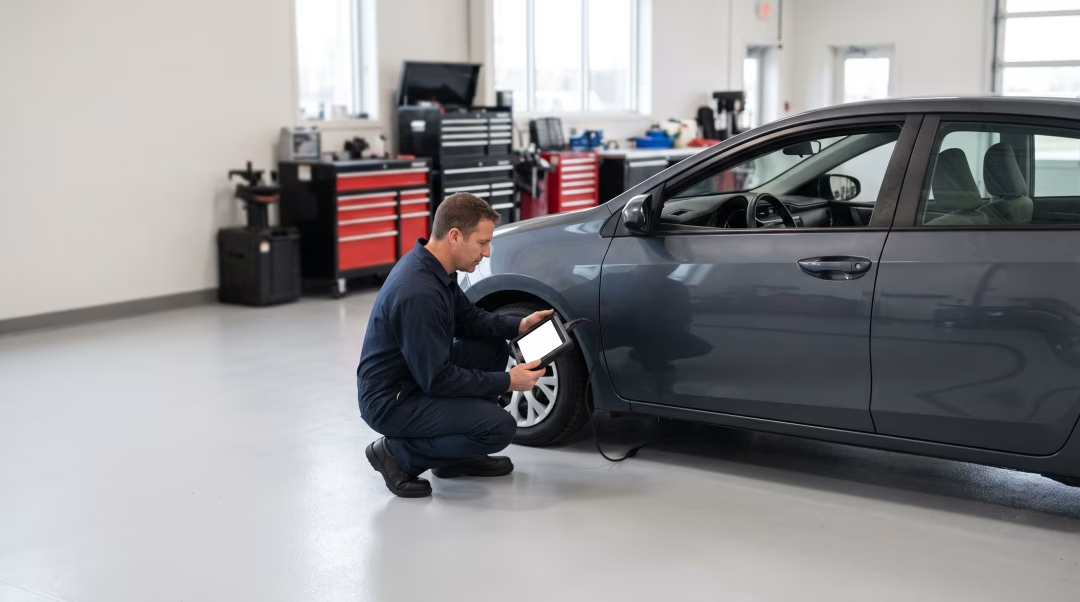
The OBD II test is quick and non-invasive. A certified inspector connects a diagnostic tool to your vehicle's computer port, usually located under the dashboard. The tool communicates with the car's on-board computer system. The primary thing it checks for is the status of the Malfunction Indicator Lamp, or "Check Engine" light. If the light is commanded on for any emissions-related fault, the vehicle will fail the inspection. The system also checks "readiness monitors" to confirm the emissions systems have been tested by the computer.
If a used car you purchase from a private party fails its inspection, you cannot register it until the necessary repairs are made and it passes a re-test. The first step is to get a proper diagnosis to find the root cause of the failure. This could be anything from a loose gas cap to a faulty oxygen sensor. Our expert technicians can help with a check engine light diagnosis to pinpoint the problem. After repairs are completed at a licensed facility like our service center, you can have the vehicle re-inspected.
The Advantage of Buying from a Reputable Dealership
When you choose to work with a trusted used car dealership in Winston Salem, you avoid the potential headaches of inspection failures. We take care of the inspection process for you. Every eligible vehicle we offer for sale has already passed the required North Carolina safety and emissions inspections. This is a core part of our reconditioning and preparation process. It provides you with the confidence that your vehicle is not only mechanically sound but also fully compliant with state regulations from the moment you drive it home. You can explore our inventory and even get pre-qualified for financing knowing this important step has been handled.
Frequently Asked Questions About NC Emissions Rules
How often does my car need an emissions inspection in NC?
If your vehicle is subject to the emissions inspection rules, it must be tested annually. The inspection is required before you can renew your vehicle's registration each year. It is typically performed at the same time as the annual safety inspection.
What is the cost of a North Carolina emissions inspection?
The maximum fee for an emissions inspection in the 19 applicable counties is set by the state. As of the latest NCDMV update, the fee is $30.00. This includes the cost of the safety inspection, which is required for all vehicles.
Does my used hybrid car need an emissions test?
Yes, gasoline-electric hybrid vehicles are subject to the same OBD II emissions inspection requirements as conventional gasoline vehicles. If the vehicle is a 1996 or newer model and registered in one of the 19 specified counties, it must pass the annual test. You can browse our selection of used hybrid cars with confidence, as they are all inspected.
What if I buy a car from a county that does not require emissions testing but I live in one that does?
This is a common situation. When you go to register the vehicle in your home county (e.g., Forsyth County), you will be required to have an emissions inspection performed before the NCDMV will issue your license plate and registration. That is why it is beneficial to buy from a dealership that has already completed the inspection for you.
Can I get a waiver if my car keeps failing the emissions test?
Yes, North Carolina does offer an emissions inspection waiver under specific circumstances. To qualify, you must show proof that you have spent a certain minimum amount (set by the state) on emissions-related repairs at a licensed facility after the initial failure, and the vehicle must still be unable to pass. The vehicle must also pass the safety inspection to be eligible for a waiver.
