

How to Check a Used Car
for Flood Damage in North Carolina
North Carolina's beautiful coastline and weather patterns, including hurricanes and tropical storms, make it a prime location for flood-damaged vehicles to enter the used car market. A car that has been submerged can look perfectly fine on the surface, but underneath, it is often a ticking time bomb of electrical issues, mechanical failures, and hidden corrosion. Unsuspecting buyers can end up with a vehicle that is not only unreliable but also unsafe. Knowing how to identify the subtle yet critical signs of water damage is your best defense. This guide will provide you with the essential knowledge needed to inspect a pre-owned vehicle thoroughly, helping you avoid a costly mistake and ensuring the car you choose is a sound investment. Protecting yourself starts with being an informed and vigilant shopper, and we are here to help you every step of the way.
While the tips on this page are invaluable for any car shopper, the best way to gain peace of mind is by purchasing from a reputable dealership. Here at our North Carolina used car dealership, we perform a rigorous inspection on every vehicle before it ever makes it to our lot. We believe in transparency and quality, which is why we invite you to explore our carefully selected used inventory online or visit us in person to see the difference for yourself.
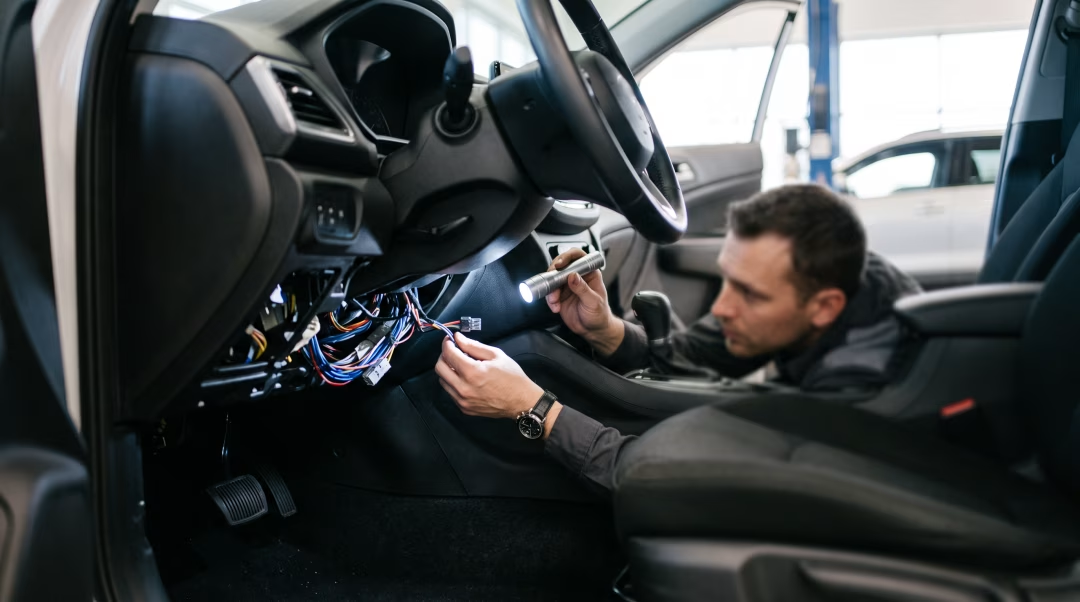
A Comprehensive Guide to Spotting Hidden Flood Damage
When a major storm hits the coast or inland areas of North Carolina, thousands of vehicles can be damaged by rising waters. Unfortunately, not all of these cars are properly decommissioned. Some are purchased at salvage auctions, cosmetically cleaned, and then transported to other areas, including right here in the Piedmont Triad, to be sold to unaware buyers. This practice, known as "title washing," involves moving a car through different states with lax regulations to obtain a clean title, effectively hiding its history. This is why a physical inspection is just as crucial as a vehicle history report. A flood-damaged car can lead to a host of problems that may not appear for weeks or months, including failed engine control modules (ECMs), corroded wiring, malfunctioning safety systems like airbags, and even health issues from mold and mildew growth. Learning to be your own detective is the key to making a smart purchase.
Step 1: The Pre-Inspection Research
Before you even lay eyes on the vehicle, your investigation should begin. The first line of defense is a comprehensive vehicle history report (VHR) from a reputable service like CarFax or AutoCheck. While not foolproof, these reports are an essential starting point. Look for any title brands such as "Salvage," "Rebuilt," or specifically "Flood." A vehicle with a flood brand on its title has been declared a total loss by an insurance company due to water damage. While it's possible to find one of these on the market, it should be a major red flag. If you are considering a vehicle with a branded title, it's critical to understand the difference between a salvage title vs. a clean title in North Carolina. However, remember that if the owner did not have comprehensive insurance or the damage was not reported, it might not show up on the VHR. This is why you cannot rely on this report alone.
Step 2: The Sensory Inspection - Trust Your Eyes, Nose, and Hands
When you arrive to see the car, engage all your senses. Often, the first clue that something is wrong is not what you see, but what you smell. A vehicle that has been submerged will almost always have a persistent musty, moldy, or mildewy odor. Be very suspicious of a car that has an overwhelming amount of air fresheners, as this is a common tactic to mask these unpleasant smells. Take a deep breath inside the cabin and the trunk. If it smells like a damp basement, that is a significant warning sign.
- Look for Water Lines: Open the trunk and glove box. Use a flashlight to look for fine lines of silt, mud, or discoloration. These lines can indicate how high the water level reached. Check under the seats and in the wheel wells for similar evidence.
- Feel for Dampness: Press your hand firmly into the carpets in the footwells, under the floor mats, and in the trunk. Feel the seat upholstery. Any lingering dampness or a spongy feeling is a bad sign.
- Check for Debris: Look in unusual places for sand, silt, or plant debris. Areas like the seat tracks, inside the spare tire compartment, and under the dashboard are difficult to clean thoroughly and often hold evidence of flooding.
Step 3: A Deep Dive into the Interior
The interior of a car holds many clues. Sellers may replace the most obvious damaged parts, but it is nearly impossible to erase all traces of water immersion. Start by pulling back a corner of the carpet. Look at the carpet backing, the padding underneath, and the metal floor pan. The padding should be dry and uniform in color. If it is damp, crumbly, or shows signs of water staining, the car has likely been wet. Look for rust on the floor pans and on the bolts that hold the seats to the floor. These areas are not typically exposed to moisture. Be wary of brand-new carpet in an older vehicle with worn seats and other interior components; it may have been replaced to hide damage.
Next, focus on the electronics. Water is the enemy of modern vehicle electrical systems. Methodically test every single electronic function. This includes all power windows, locks, mirrors, and seats. Turn on the radio, test the climate control system (both heat and A/C), and check every single interior and exterior light. Look closely at the instrument cluster and infotainment screen for any signs of fogging or moisture trapped behind the glass. Use a flashlight to look at the wiring under the dashboard. Check for brittle wires, corrosion on connectors, or mud and silt in the fuse box. These are telltale signs that water has infiltrated the car's electronic nervous system.
Step 4: Scrutinizing the Exterior and Engine Bay
Your inspection continues on the outside of the vehicle. Examine the headlights and taillights closely for any internal condensation or a visible, uniform water line. While a small amount of fogging can be normal in some conditions, persistent moisture is a red flag. Open the hood and perform a thorough check of the engine bay. A little dirt is normal, but look for signs of mud, silt, or leaves in odd places, such as on the engine block, in the corners of the firewall, or caked onto the radiator. An engine bay that is immaculately clean on an older, higher-mileage vehicle can be just as suspicious as a dirty one, as it may have been steam-cleaned to wash away evidence. Look for rust on unpainted metal parts, such as screw heads, brackets, and bolts, which can indicate past exposure to water. Finally, pull the engine oil and transmission fluid dipsticks. The oil should be a consistent brown or black color. If it appears milky, foamy, or has beads of water, it is a definitive sign that water has entered the engine.
Step 5: The Professional Opinion
Even with all this knowledge, nothing replaces the trained eye of a professional. Before you finalize any purchase, we strongly recommend taking the vehicle to a trusted, independent mechanic for a pre-purchase inspection (PPI). They can put the car on a lift to inspect the undercarriage, brakes, and exhaust system for signs of corrosion and damage that are difficult to see otherwise. They have the tools to check the vehicle's computer systems for fault codes that might indicate underlying electrical problems. This small investment can save you from thousands of dollars in future repairs. While our own expert technicians perform a thorough auto repair and inspection service on every vehicle we sell, getting a third-party opinion can offer an extra layer of confidence in your decision.
At our dealership, we are proud of the quality of our vehicles, from our versatile used SUVs to our powerful used trucks. We invite you to learn more about us and our commitment to our customers. If you have questions about financing, our team is ready to help you explore your payment options and get you started with our pre-qualification application.
Can a vehicle history report always detect flood damage?
No, a vehicle history report is not foolproof. If a car was uninsured, or if the owner repaired it without filing a claim, the flood damage may never be officially recorded. Title washing is another method used to hide a car's history. This is why a thorough physical inspection is absolutely essential.
What is "title washing" and how does it relate to flood cars?
Title washing is the fraudulent practice of moving a vehicle with a branded title (like "Salvage" or "Flood") to a state with more lenient title regulations. The goal is to obtain a new title that does not show the vehicle's negative history, making it appear "clean" to unsuspecting buyers.
Is a car with a "rebuilt" title from flood damage safe to buy?
A rebuilt title means a salvage vehicle has been repaired and passed a state inspection. However, for flood-damaged cars, hidden issues with electronics, wiring, and safety systems can persist even after repairs. Buying a flood-rebuilt car is very risky and should only be considered with an extremely thorough inspection by a trusted mechanic.
What are the long-term problems with flood-damaged cars?
Long-term problems are extensive and often appear intermittently. They include corrosion that weakens the vehicle's frame, persistent electrical gremlins, failure of critical components like the engine control unit (ECU) and anti-lock braking system (ABS), and the failure of safety systems like airbags. Mold and mildew can also pose health risks.
Does car insurance cover pre-existing flood damage on a used car?
No, standard auto insurance policies will not cover damage that occurred before you purchased the vehicle and the policy. If you unknowingly buy a flood-damaged car and later discover problems, the cost of repairs will be your responsibility, which is why pre-purchase diligence is so important.
